Red Rocks Park
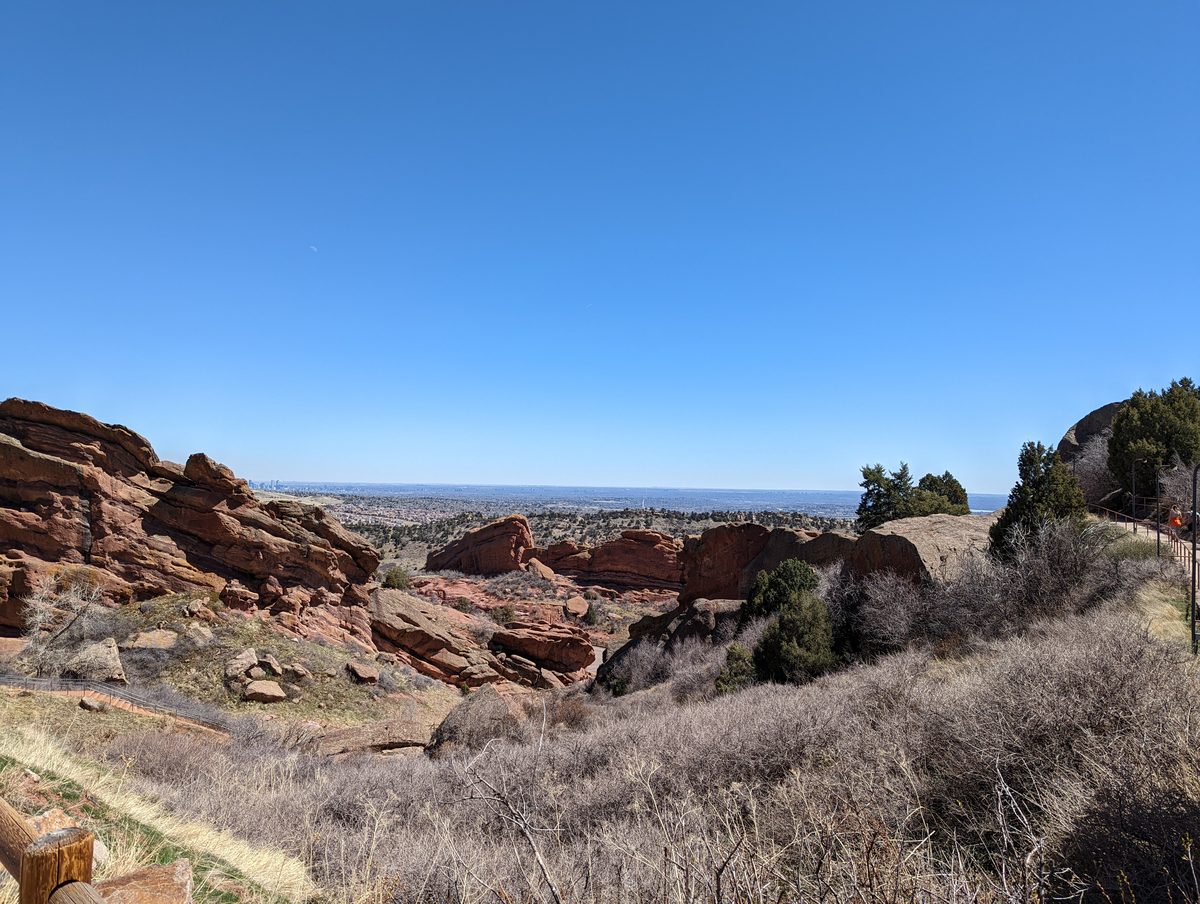
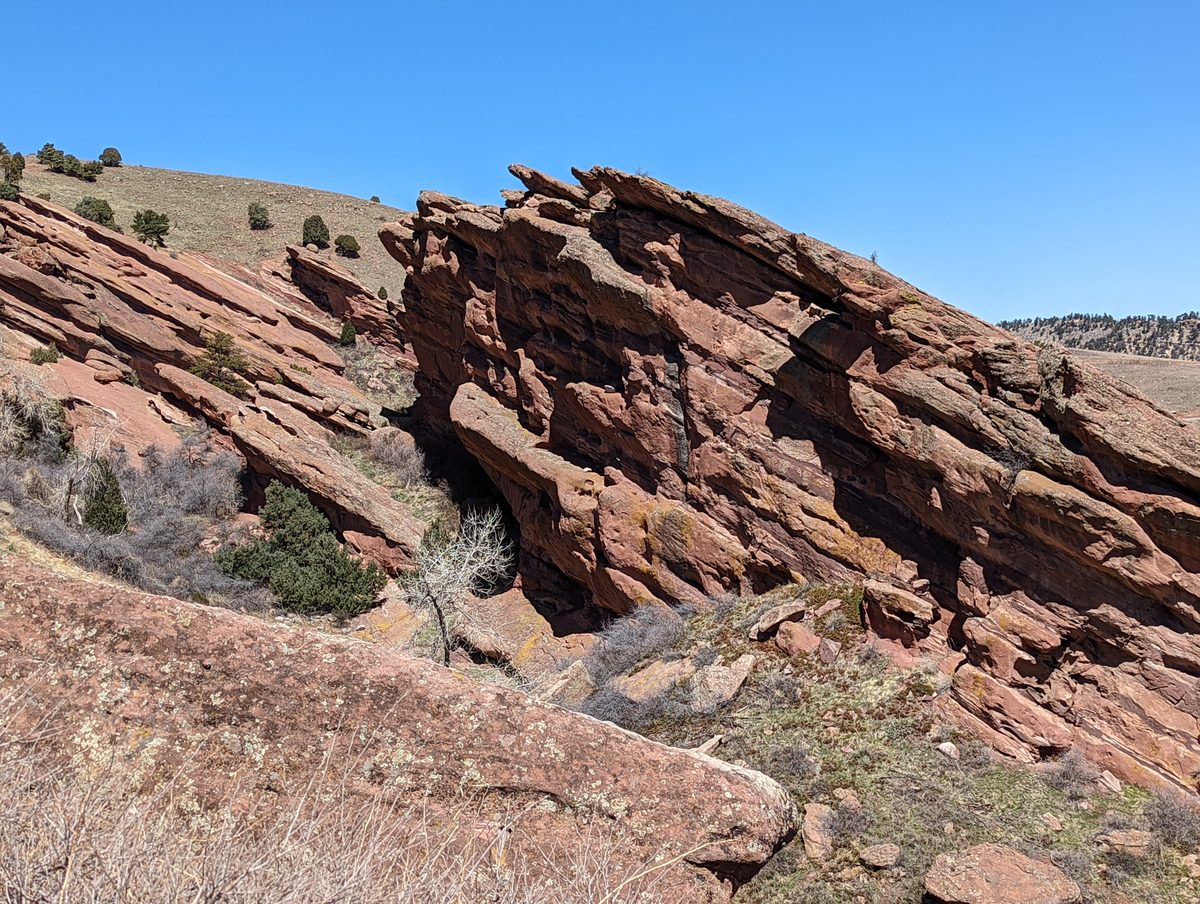
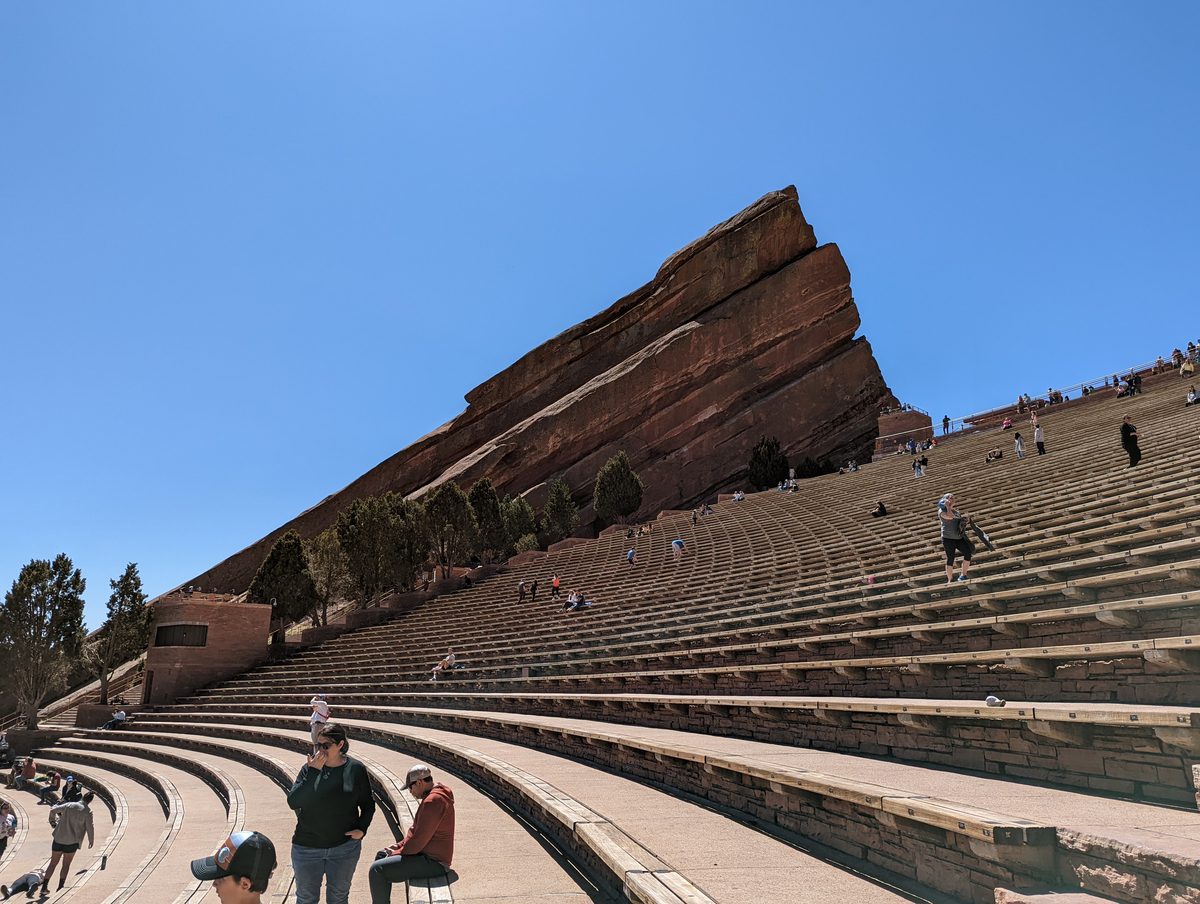
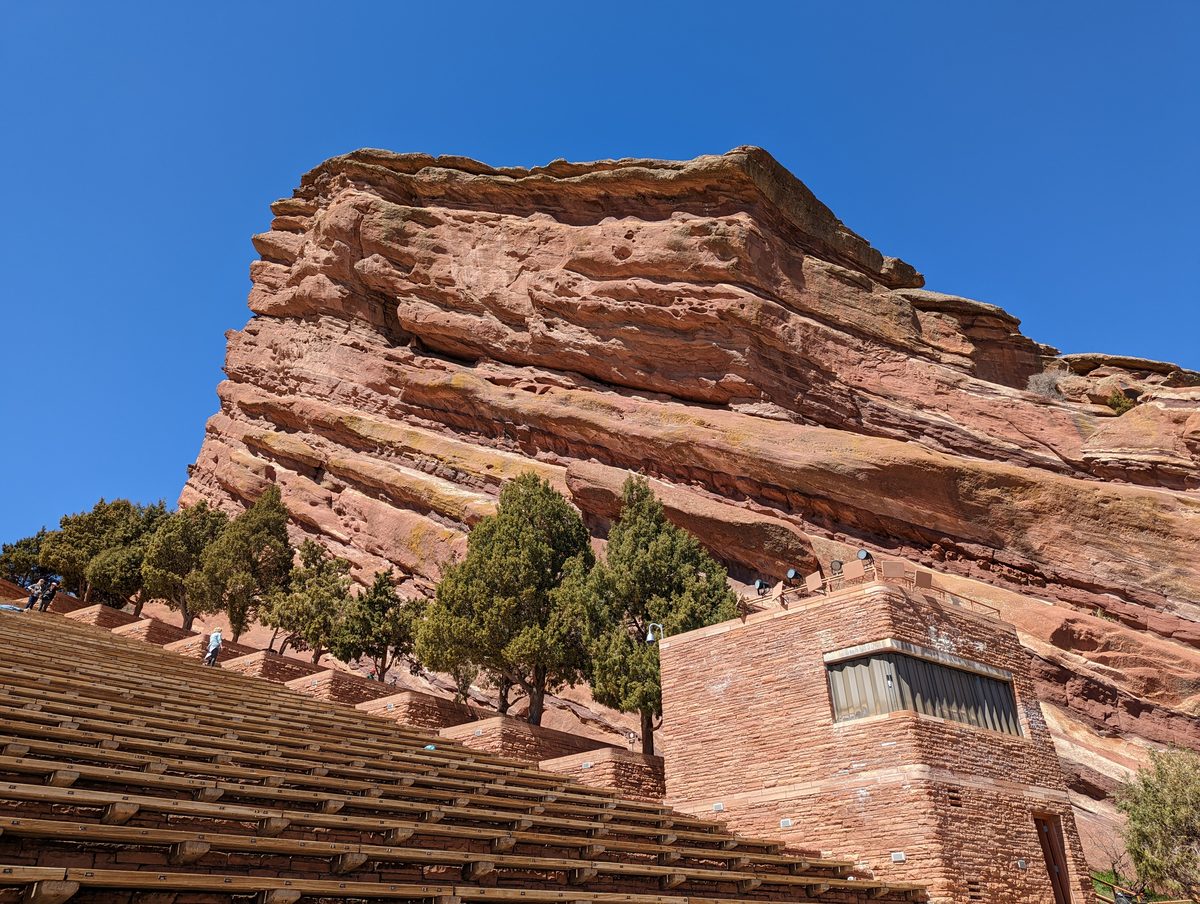
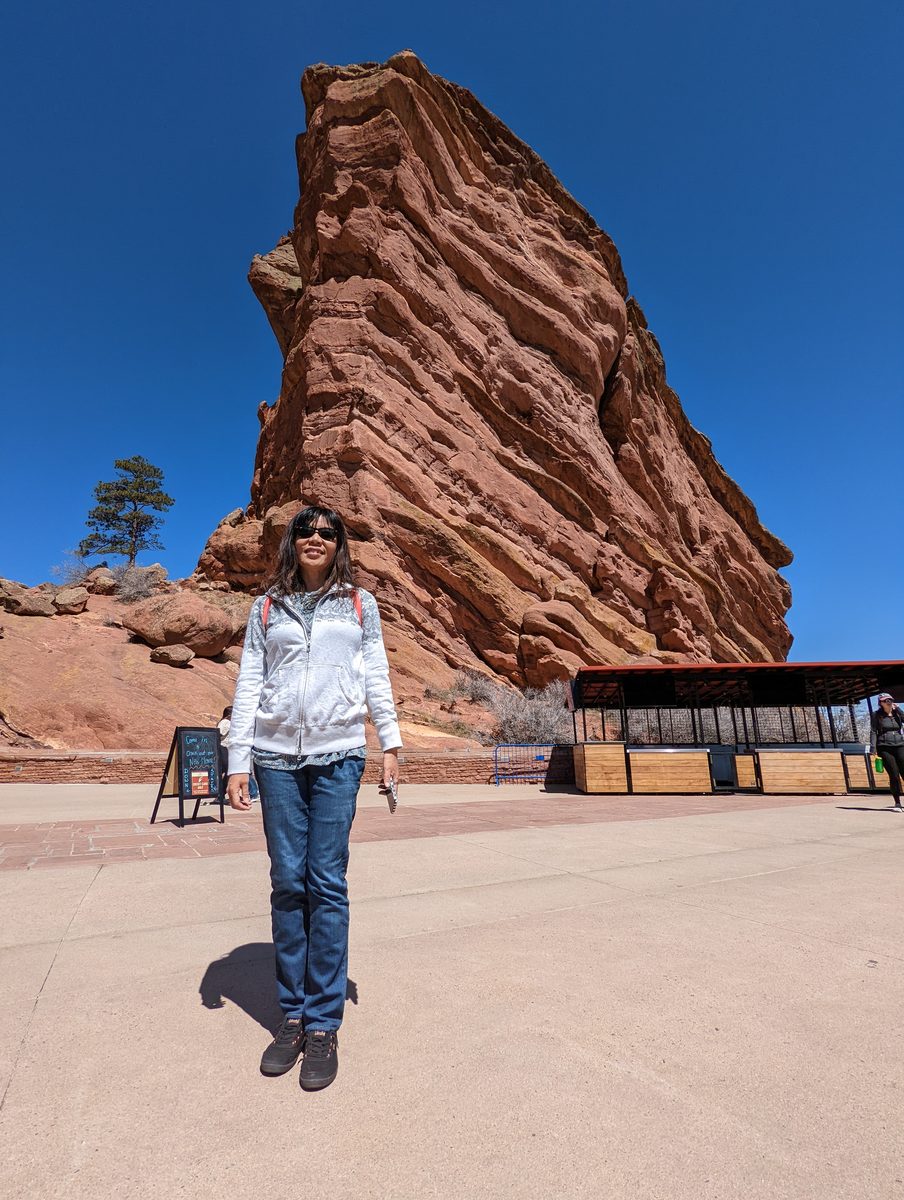
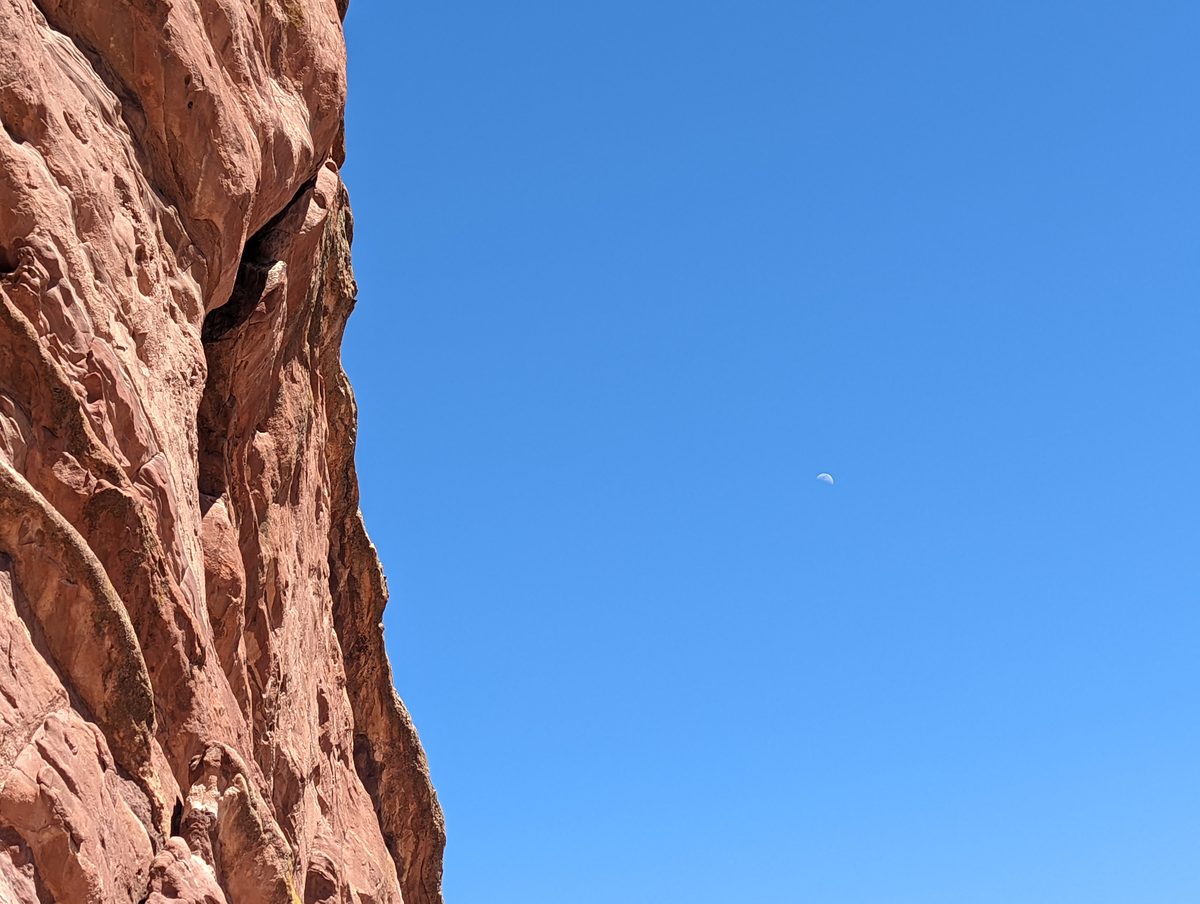
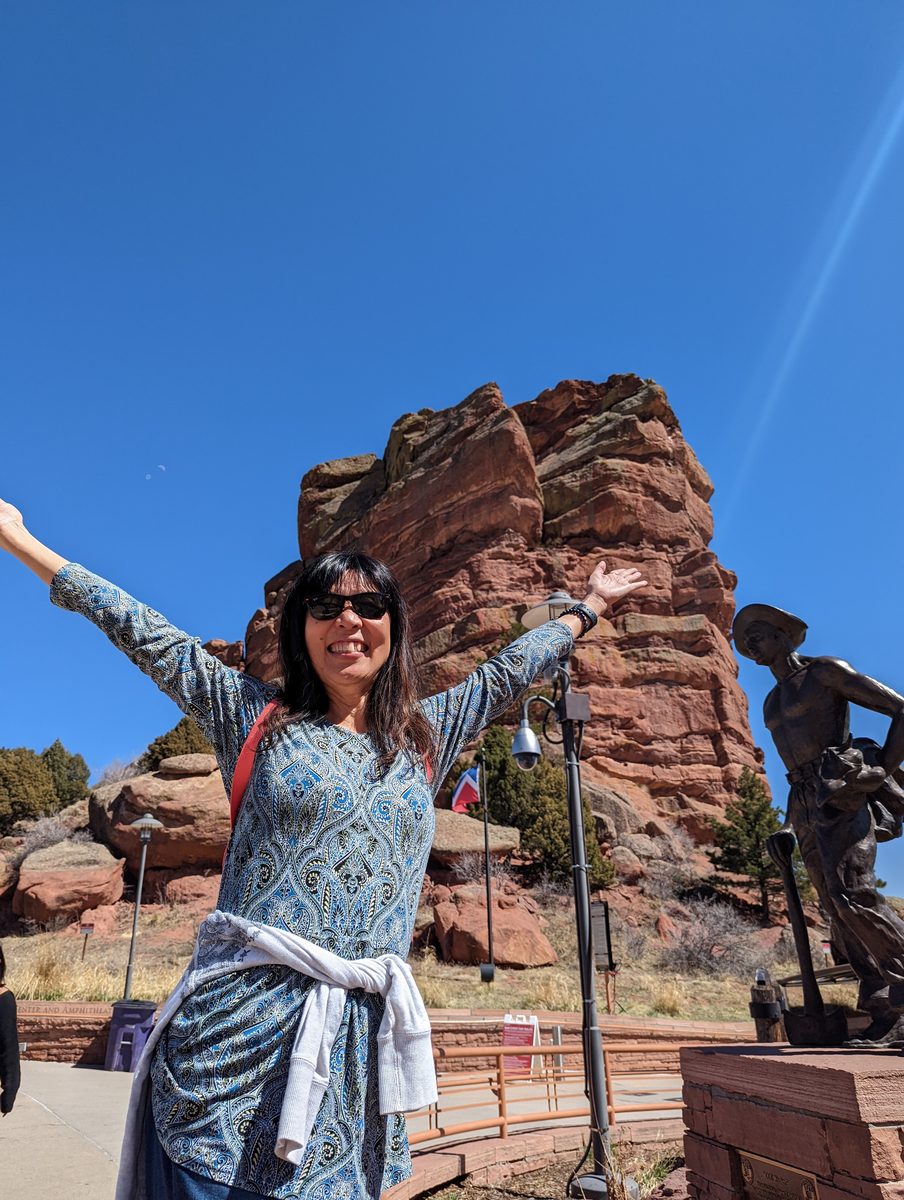
The trip opened with the main event: Red Rocks Park & Amphitheatre, ten miles southwest of Denver. The towering sandstone monoliths that flank the bowl — Ship Rock and Creation Rock — date back nearly 300 million years, to a Pennsylvanian-era coastline whose sandy beaches compacted into stone and picked up their rust color from iron-rich groundwater. The Ute people knew the site long before an 1820 Army expedition "rediscovered" it, and it passed through a string of owners and names — including, briefly, "Garden of the Titans" — before Denver's Civilian Conservation Corps crews built the amphitheater by hand between 1935 and 1941.
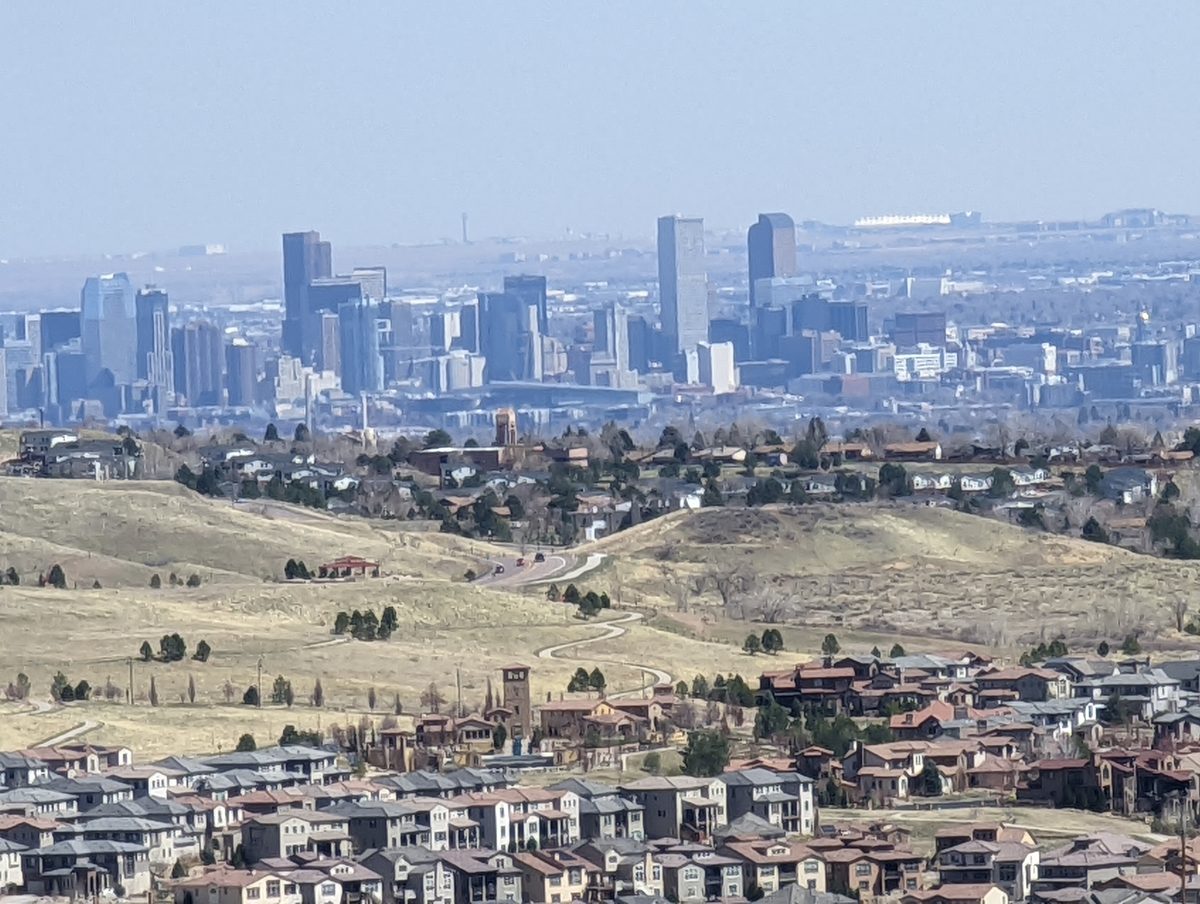
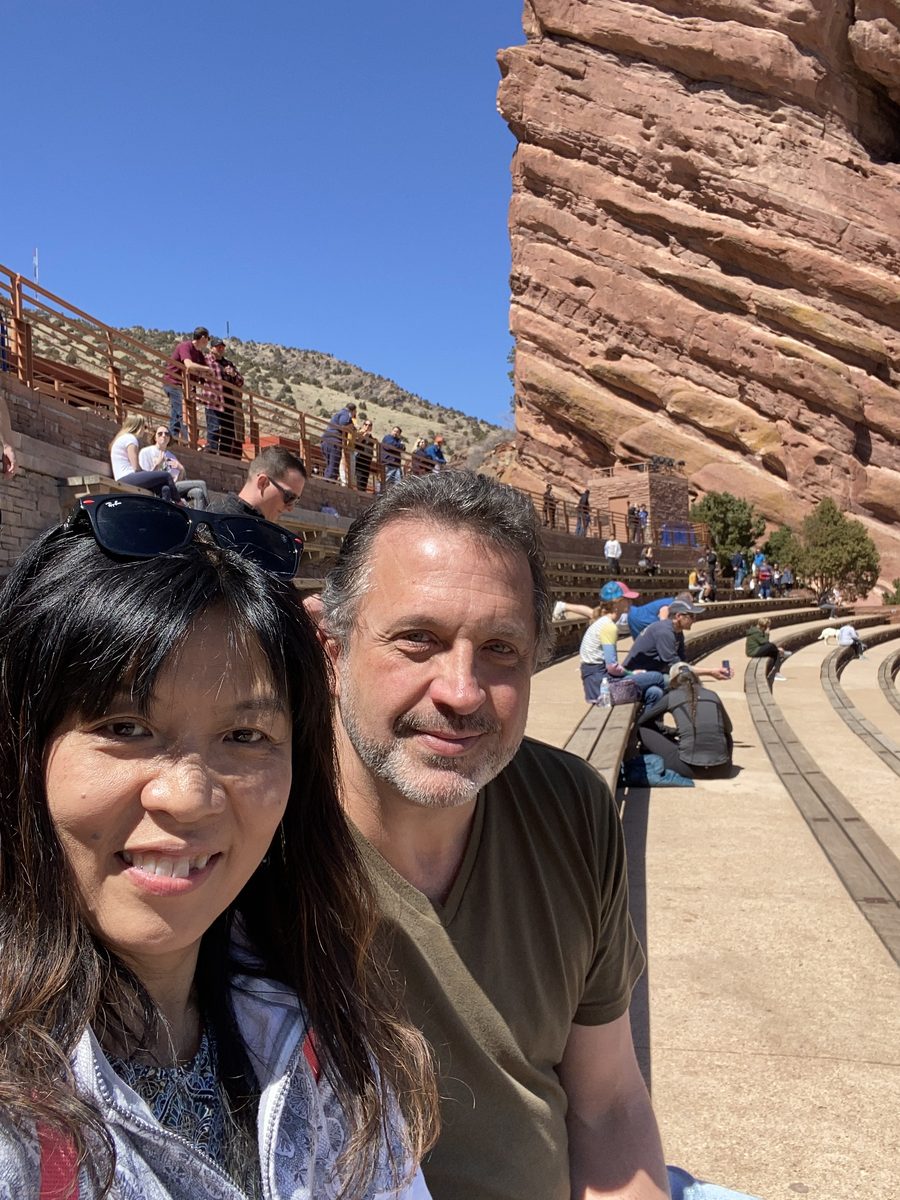
What makes it famous today is what those crews were smart enough not to fight: the rocks themselves. Red Rocks is often called the only naturally acoustically perfect amphitheater in the world, and standing in the 9,525-seat bowl between two red stone giants, looking out past the stage toward the Denver skyline hazy on the horizon, it's easy to believe it.
旅の幕開けは、いきなりの本命 — デンバーから南西へ16キロ、レッド・ロックス・パーク&アンフィシアターでした。すり鉢状の会場を両側から囲む巨大な砂岩の一枚岩、シップ・ロックとクリエーション・ロックは、およそ3億年前、ペンシルバニア紀の海岸線にまでさかのぼります。砂浜が長い年月をかけて岩となり、鉄分を多く含む地下水がその赤茶色を岩肌に刻みました。ユト族はこの地を1820年の陸軍遠征隊による「再発見」よりずっと前から知っており、その後は所有者や名前を転々とし — 一時は「ガーデン・オブ・ザ・タイタンズ」と呼ばれたことも — 1935年から1941年にかけて、デンバー市民保全部隊(CCC)の若者たちが手作業で野外劇場を築き上げました。
今日その名を知らしめているのは、彼らが賢明にも手を加えずに残したもの — 岩そのものです。レッド・ロックスは「世界で唯一、自然の音響が完璧な野外劇場」とも呼ばれ、9,525席のすり鉢の中に立ち、二つの赤い岩の巨人の間からステージ越しに霞むデンバーの街並みを眺めれば、その評判にも納得がいきます。
The McAllister House
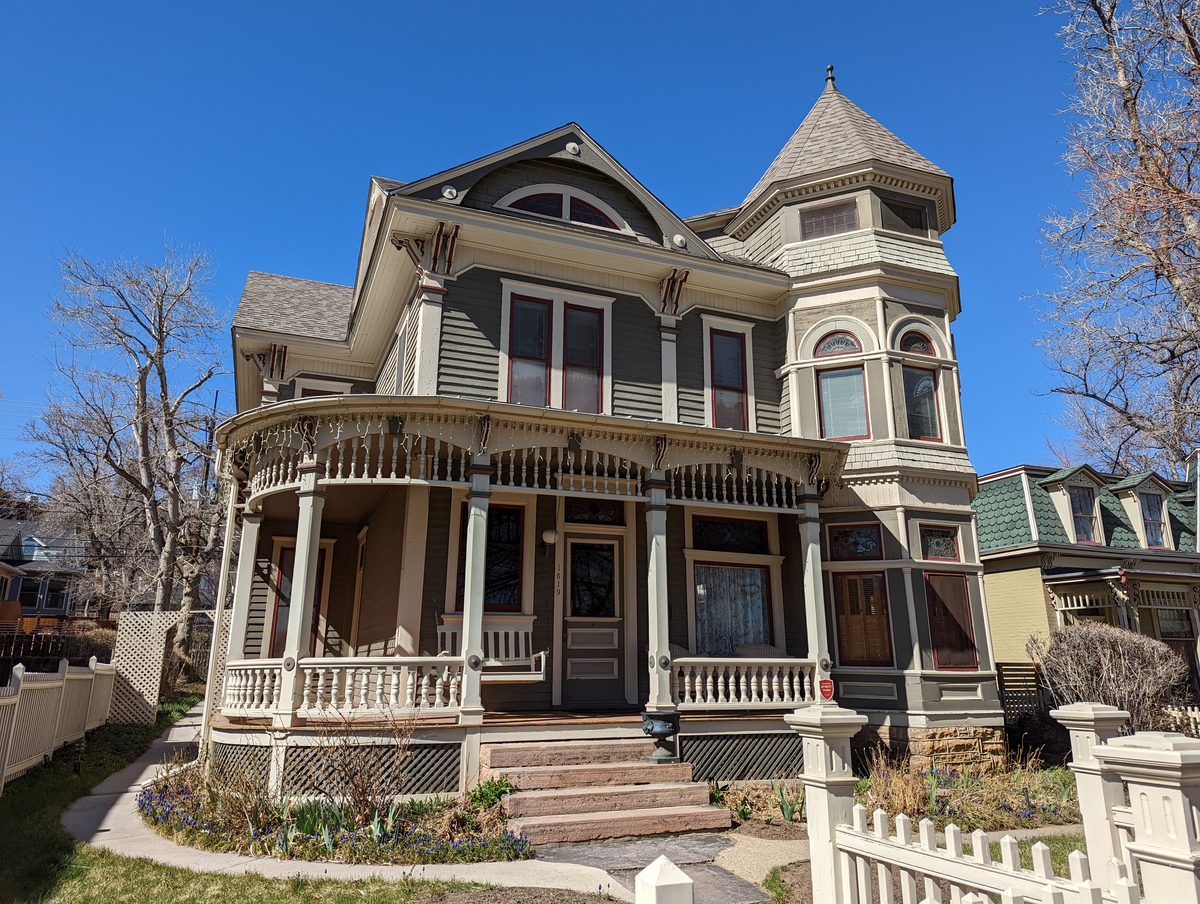
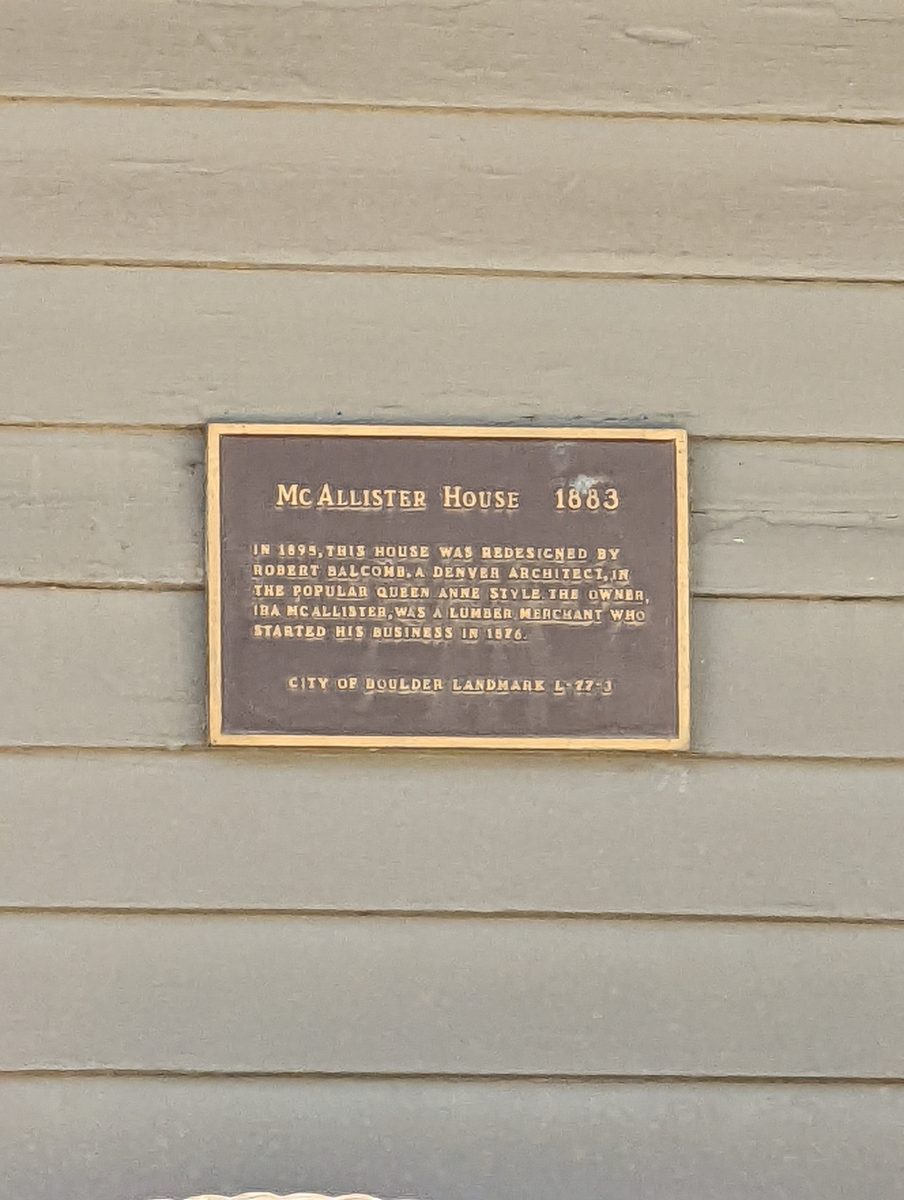
A detour through Boulder's Mapleton Hill historic district turned up the McAllister House, built in 1883 for lumber merchant Ira McAllister and redesigned twelve years later by Denver architect Robert Balcomb into the Queen Anne showpiece it is today — turret, wraparound porch, and all. It's a City of Boulder Landmark, plaque and all, sitting quietly on Pine Street among its Victorian neighbors.
Quietly, that is, except for the tour buses: this is also the house that played the Nanu-Nanu home of Mork and Mindy on the late-'70s sitcom filmed in Boulder, which means a lumber merchant's 1883 Queen Anne has spent the last several decades moonlighting as one of television's more famous alien residences.
ボルダーの歴史地区メイプルトン・ヒルへ寄り道すると、マッカリスター・ハウスに行き当たりました。1883年、材木商のアイラ・マッカリスターのために建てられ、12年後にデンバーの建築家ロバート・バルコムの手で改装され、塔屋とぐるりと巻く回廊付きベランダを備えた、今に見るクイーン・アン様式の名品となりました。ボルダー市指定ランドマークとして記念プレートも掲げられ、パイン・ストリート沿いにヴィクトリア朝の隣家たちと静かに佇んでいます。
「静か」といっても、観光バスがやって来る点は別ですが。というのもこの家、1970年代後半にボルダーで撮影されたシットコム「モーク&ミンディ」で、モークの「ナヌ・ナヌ」の家として登場した建物でもあるのです。つまり材木商の1883年築クイーン・アン様式の邸宅は、この数十年、テレビ史に残る有名な異星人の住まいとしても副業をこなしてきたわけです。
Garden of the Gods
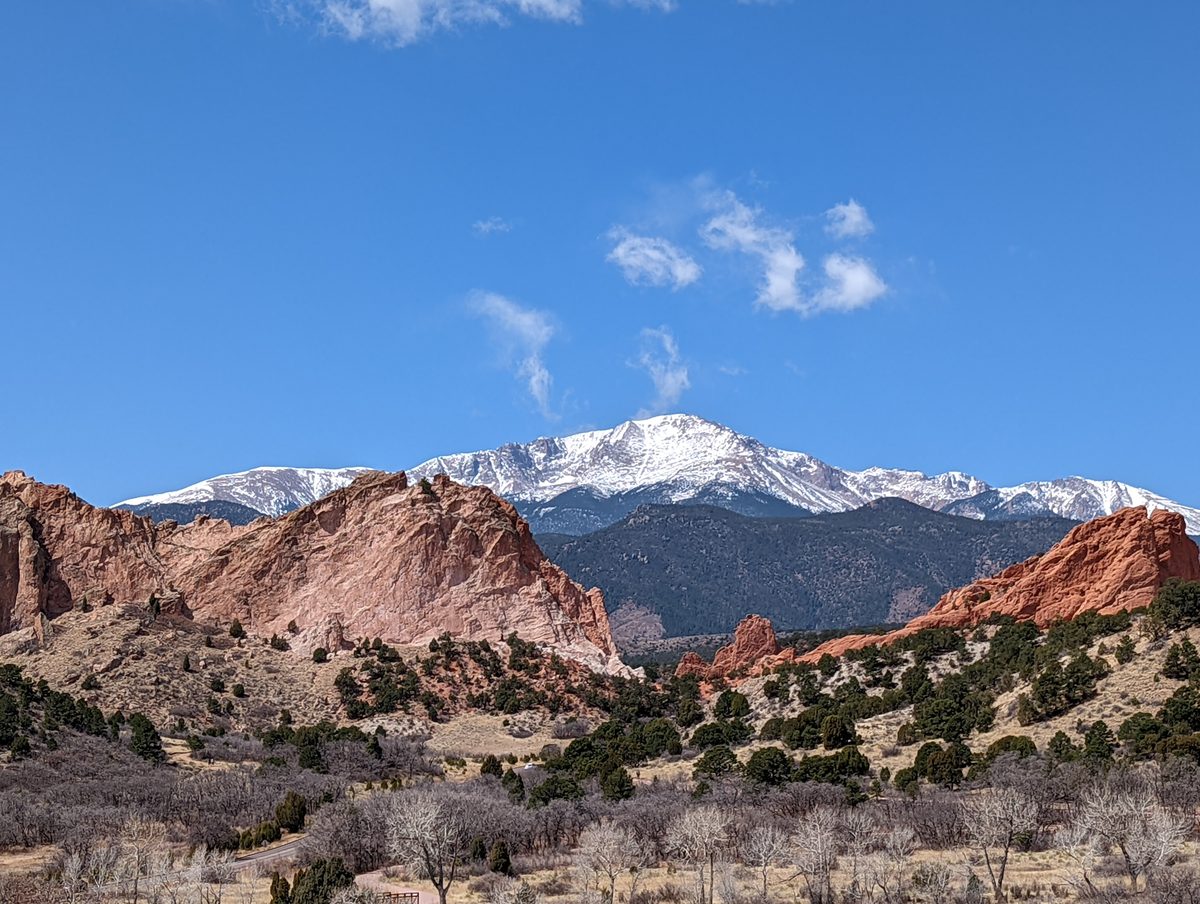
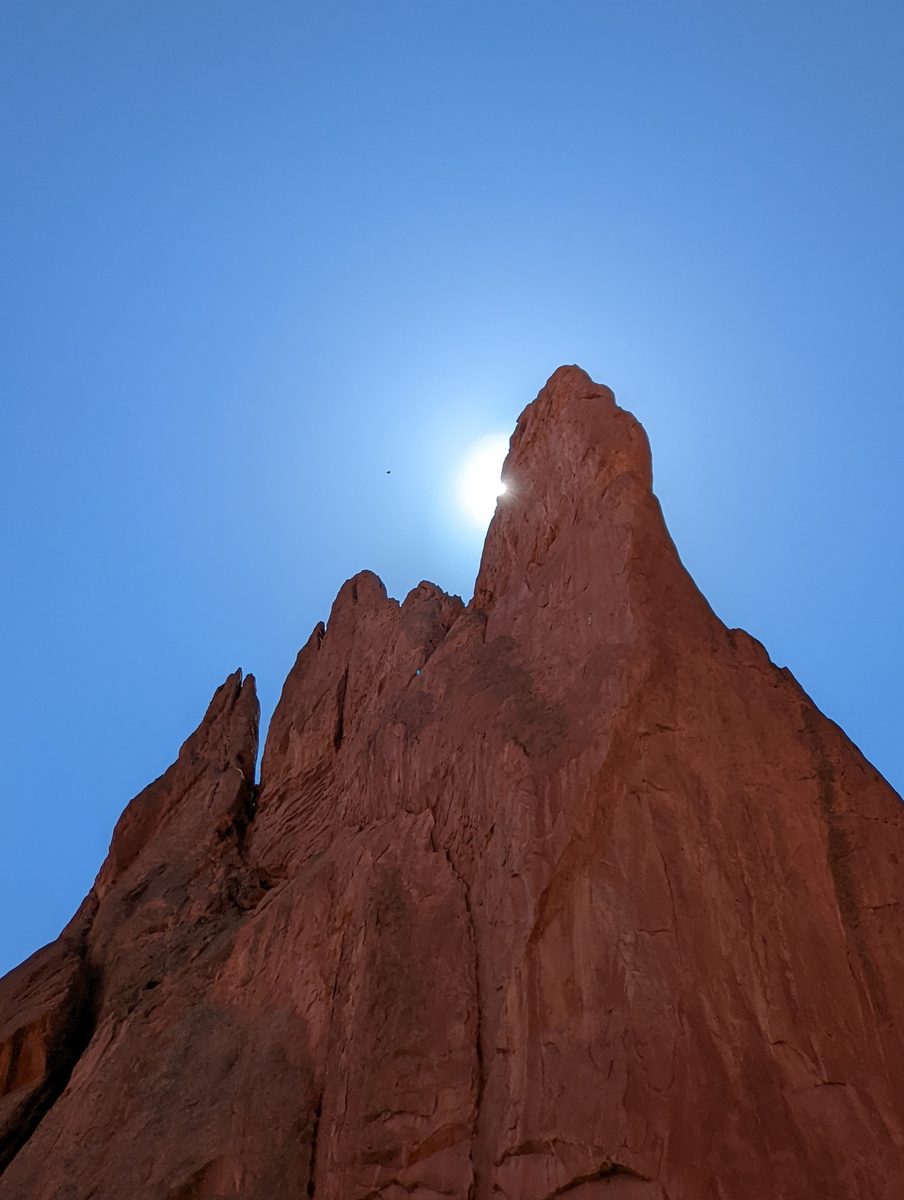
Two days later, the trip closed at Garden of the Gods in Colorado Springs, where jagged red sandstone fins jut out of the ground with snow-capped Pikes Peak standing behind them. The park earned its name in 1859, when two surveyors scouting the area disagreed about what to do with it — one thought it would make "a capital place for a beer garden"; his companion, Rufus Cable, looked up at the spires and said it was "a fit place for the Gods to assemble."
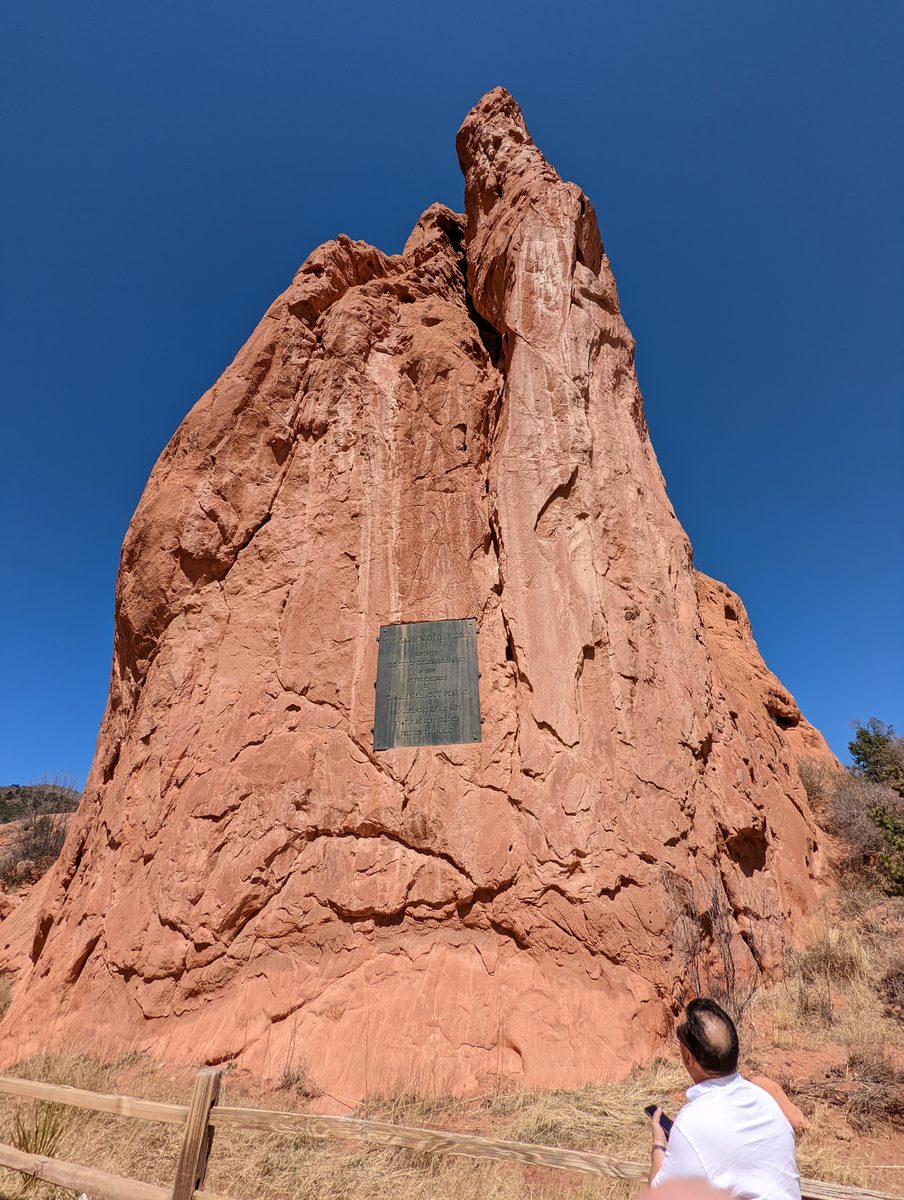
The Gods nearly lost it to development. Railroad executive Charles Elliott Perkins bought 480 acres here in 1879 at a friend's urging but never built on it, preferring to leave it wild. When he died in 1907 without formally protecting the land, it fell to his children to finish what he'd intended — in 1909 they deeded the whole property to the City of Colorado Springs, with the stipulation that it remain "a free and public park forever." It still is.
それから二日後、旅の締めくくりはコロラドスプリングスのガーデン・オブ・ザ・ゴッズ。ギザギザとした赤い砂岩の尖塔が地面から突き出し、その背後には雪を頂くパイクスピークがそびえます。この公園が今の名を得たのは1859年のこと。この地を調査していた二人の測量士の意見が分かれ、一人は「ビアガーデンにうってつけの場所だ」と言い、もう一人のルーファス・ケーブルは尖塔を見上げてこう言いました — 「これは神々が集うにふさわしい場所だ」と。
この公園は、開発によって失われかけたこともありました。鉄道会社の重役チャールズ・エリオット・パーキンスは1879年、友人に勧められてこの一帯480エーカーを買い取りましたが、何も建てず、そのまま手つかずの自然として残すことを選びました。1907年、正式な保護策を講じないまま彼が亡くなると、その遺志を継いだのは子どもたちでした。1909年、彼らはこの土地すべてをコロラドスプリングス市に譲渡し、「永遠に無料の公共公園であること」を条件に付けました。その約束は、今も守られています。